

Complex Criminal Investigation
Validated by University of Essex Online
Duration
13 weeksStudy Mode
OnlineTotal Tuition
£1,492Monthly Payment
£498Qualification
Micro-Credentials / Short CoursesStart Date
July, OctoberProgramme Overview
The Complex Criminal Investigation online professional course is designed to develop the knowledge and practical investigative skills needed to understand how serious and complex crimes are investigated from initial response through to prosecution. Combining academic theory with professional policing practice, the course explores homicide investigations, riots, cold cases, miscarriages of justice, coronial investigations, investigative pitfalls, and multi-agency collaboration. Students examine real-world investigative challenges while learning how evidence is gathered, evaluated, and presented within modern criminal justice systems. For students across the Caribbean, where law enforcement agencies increasingly require officers and investigators with advanced investigative skills, this course provides valuable professional development for careers in policing, customs, border security, anti-corruption agencies, financial crime investigation, corrections, and private investigations.
Entry Requirements
Applicants are required to meet the following requirements:
No formal academic qualifications or previous investigative experience are required.
A good command of the English language is essential.
Applicants whose first language is not English should demonstrate English proficiency equivalent to IELTS Academic 6.5, although the University offers a free online English assessment if applicants do not possess an IELTS qualification.
The course is suitable for both newcomers and experienced professionals seeking specialist investigative knowledge.
Who is this course for?
his course is ideal for:
Police officers throughout the Caribbean
Detectives and criminal investigators
Customs and border protection officers
Immigration officers
Military police personnel
Correctional officers
Private investigators
Fraud and financial crime investigators
Intelligence analysts
Graduates interested in criminology, criminal justice, forensic investigation, or law enforcement careers
Professionals wishing to progress into postgraduate criminology studies
Career Opportunities
Criminal Investigator
Detective
Major Crime Investigator
Intelligence Analyst
Fraud Investigation Officer
Customs and Border Protection Officer
Anti-Money Laundering Investigator
Private Investigator
Compliance and Risk Investigation Officer
Criminal Justice or Law Enforcement Consultant
Programme Highlights
This opening module introduces students to the principles, structures, and responsibilities involved in investigating serious crimes. Students explore the investigative process from the initial crime scene through evidence gathering, suspect management, legal procedures, and case development. Particular emphasis is placed on critical thinking, ethical decision-making, and applying investigative methodologies to complex criminal cases commonly encountered by modern law enforcement agencies.
Students examine the complexities involved in homicide investigations, including crime scene preservation, forensic evidence management, witness interviews, suspect identification, investigative strategy, and prosecutorial requirements. The module explores how investigative teams coordinate resources to solve serious violent crimes while ensuring evidence withstands judicial scrutiny. Caribbean students will gain valuable insight into investigative standards applicable to serious offences across regional policing environments.
Large-scale public disturbances present unique investigative challenges. This module examines how investigators balance restoring public safety while simultaneously collecting evidence, identifying offenders, managing digital evidence, and coordinating multiple agencies. Students learn about investigative planning during civil unrest and the legal considerations involved in prosecuting offences arising from riots and public disorder.
Understanding the coroner's role is essential during investigations involving sudden, unexplained, or suspicious deaths. Students learn how coronial investigations complement criminal investigations, including post-mortem examinations, cause-of-death determinations, legal reporting requirements, and collaboration between investigators, forensic pathologists, and judicial authorities. This knowledge is particularly valuable for professionals working in homicide or fatal incident investigations.
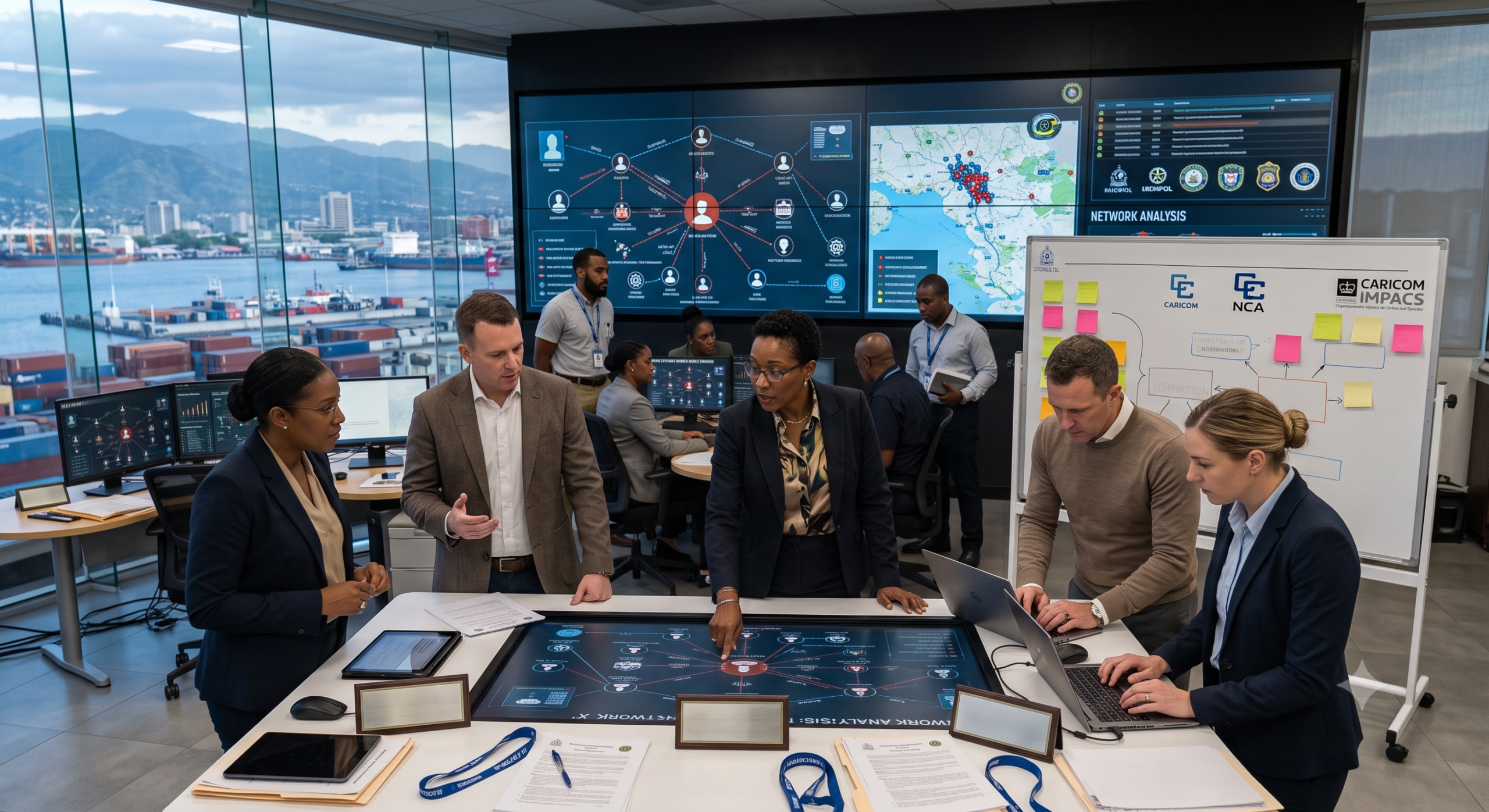
Modern criminal investigations frequently require collaboration among police services, customs, immigration, forensic laboratories, financial intelligence units, prosecutors, and international agencies. This module develops an understanding of effective inter-agency cooperation, information sharing, leadership, communication, and coordinated investigative strategies. For Caribbean professionals, these collaborative skills are particularly important when addressing transnational crime, drug trafficking, cybercrime, organized crime, and financial offences affecting multiple jurisdictions.
Related Courses
Crowded Places and Public Safety Management PGCert
Qualification: Postgraduate Certificate
Duration: 1 Year
Tuition: £3,480
View ProgrammeMaster in International Fashion Law in the Digital Age
Qualification: Master’s Degree (MSc / MA / MPH)
Duration: 1 year
Tuition: €2,500
View ProgrammeLLM International Business Law
Qualification: Master’s Degree (MSc / MA / MPH)
Duration: 24 months
Tuition: £13,427
View ProgrammeApply for This Programme
You need an UpCaria account before starting your application. Log in to your existing account or create a new one.
🎓 Scholarship Eligibility Checker
Select your country to check whether you may qualify for a scholarship for this programme.