

BSc (Hons) Criminal Psychology
Validated by University of Essex Online
Duration
4 yearsStudy Mode
OnlineTotal Tuition
£21,701Monthly Payment
£452Qualification
Bachelor’s DegreeStart Date
January March May July September NovemberProgramme Overview
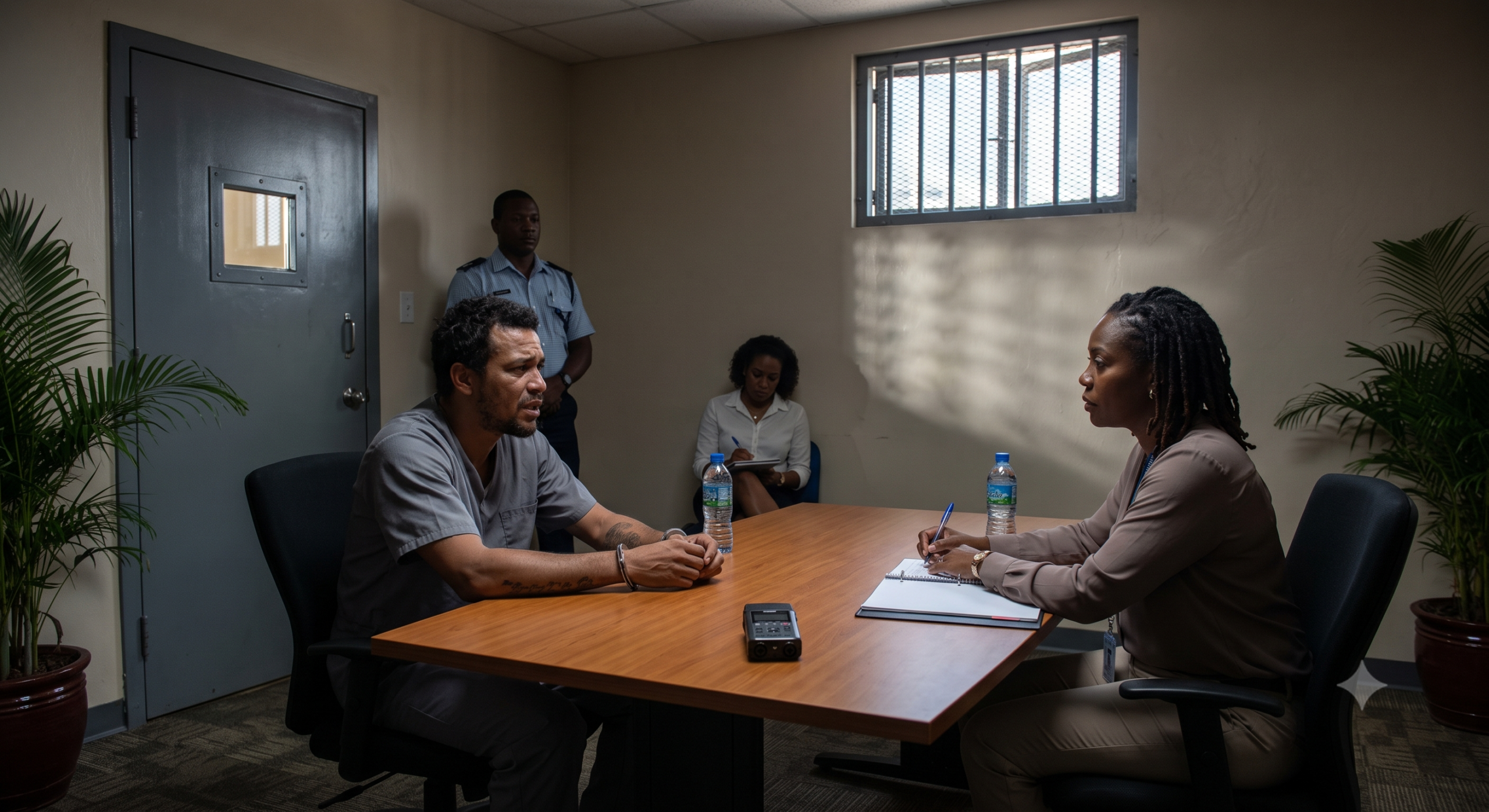
The BSc (Hons) Criminal Psychology from the University of Essex Online is a flexible, part-time degree designed for students who want to understand the psychological factors behind criminal behaviour and the operation of modern criminal justice systems. The programme combines core psychology with criminology, forensic psychology, offender profiling, victimology, investigative psychology, risk assessment, and offender rehabilitation, while building strong research and analytical skills. Although the degree is not accredited by the British Psychological Society (BPS), it provides an excellent academic foundation for careers in criminal justice, security, research, social services, and related fields. The programme is particularly suitable for Caribbean students interested in policing, corrections, probation, social work, youth justice, community development, intelligence, and private security, as well as professionals seeking career advancement. Applicants can qualify through either an academic route (three A-Levels or equivalent) or a work experience route (GCSE Mathematics and English or equivalent plus three years of relevant work experience). English proficiency equivalent to IELTS 6.0 is required for non-native English speakers. The programme is completed over approximately 4 years on a part-time basis. The 2026/27 tuition fee is £21,701, with a flexible monthly payment plan of approximately £452 per month over 48 months. Students can begin their studies in July or October each year.
Areas of Specialisation
Criminal Psychology
Forensic Psychology
Offender Profiling
Investigative Psychology
Victimology
Criminal Behaviour
Risk Assessment and Management
Offender Rehabilitation
Research Methods in Psychology
Crime and Society
Entry Requirements
Academic Route
Three A-Levels or equivalent qualifications.
Work Experience Route
GCSE Mathematics and English (Grade C or equivalent).
Minimum three years of relevant work experience.
English Language
IELTS Academic 6.0 or equivalent (free online English assessment available).
Who is this course for?
This programme is ideal for:
School leavers interested in psychology or criminology.
Police officers and law enforcement professionals.
Correctional officers and probation practitioners.
Social workers and youth intervention officers.
Security and intelligence professionals.
Individuals planning postgraduate study in psychology, criminology, forensic sciences, or criminal justice.
Caribbean professionals seeking internationally recognised qualifications while remaining employed.
Career Opportunities
Criminal Psychologist (with further postgraduate study where required)
Forensic Psychology Assistant
Police Intelligence Analyst
Criminal Investigator
Probation Officer
Corrections Officer or Prison Manager
Victim Support Officer
Crime Analyst
Security and Risk Consultant
Research Assistant in Criminal Justice or Psychology
Programme Highlights
This introductory module equips students with the academic, research, writing, and critical thinking skills required for successful university study. Students learn academic referencing, reflective practice, effective online learning strategies, and the foundations of psychological thinking that underpin the rest of the programme. It prepares Caribbean students for independent study while building confidence in academic communication.
Students explore how individuals think, feel, and behave within social environments. Topics include attitudes, prejudice, conformity, group behaviour, interpersonal relationships, and ethical psychological research. Understanding social influences provides valuable insight into crime prevention and community development across Caribbean societies.
This module examines crime from sociological and psychological perspectives. Students investigate different categories of crime, criminal behaviour, social inequality, and the impact of crime on communities, governments, and victims. Caribbean case studies can be applied to understand crime trends across the region
Students study how memory, perception, attention, thinking, and decision-making influence human behaviour. The module explains how cognitive processes affect criminal actions, witness testimony, and investigative decision-making while introducing major theories in cognitive psychology.
This specialised module introduces the principles and methods used to analyse criminal behaviour and identify behavioural patterns. Students evaluate profiling techniques, understand common misconceptions, and examine how profiling supports criminal investigations in modern policing.
Students gain practical knowledge of psychological research design, quantitative and qualitative methodologies, ethics, statistical analysis, interviewing techniques, and data interpretation. These skills are essential for evidence-based decision-making and professional research careers.
This module explores how the brain, nervous system, hormones, and genetics influence behaviour. Students examine neuroscience, brain development, biological theories of aggression, and the relationship between biology and criminal conduct.
Students examine how psychology is applied within criminal investigations and legal systems. Topics include criminal responsibility, mental health disorders, offender assessment, rehabilitation, eyewitness testimony, and psychological interventions within correctional settings, making this one of the programme's flagship modules.
This advanced module investigates why individuals commit crime and how environmental, psychological, biological, and social factors contribute to offending and repeat offending. Students critically evaluate major criminological and psychological theories while developing practical approaches to crime prevention and offender rehabilitation.
Students learn the psychological principles that support criminal investigations, including offender behaviour analysis, interviewing methods, geographic profiling, investigative decision-making, and evidence interpretation. The module demonstrates how psychology improves investigative effectiveness across law enforcement agencies.
This module focuses on the experiences of crime victims, examining domestic violence, hate crime, antisocial behaviour, victim support systems, and the role of victims throughout the criminal justice process. Students develop a deeper appreciation for victim-centred approaches to justice and public policy.
The capstone research project enables students to conduct an independent investigation into a criminal psychology topic of their choice under academic supervision. Students apply the research, analytical, and critical evaluation skills developed throughout the programme while producing a substantial piece of scholarly work relevant to criminal psychology or criminal justice.
Related Courses
Economics for Managers (Short Course)
Qualification: Micro-Credentials / Short Courses
Duration: 13 weeks
Tuition: £1,543
View ProgrammeDiversity Management in a Global Economy (Short Course)
Qualification: Micro-Credentials / Short Courses
Duration: 13 weeks
Tuition: £1,543
View ProgrammeGlobal Resource and Talent Management (Short Course)
Qualification: Micro-Credentials / Short Courses
Duration: 13 weeks
Tuition: £1,543
View ProgrammeApply for This Programme
You need an UpCaria account before starting your application. Log in to your existing account or create a new one.
🎓 Scholarship Eligibility Checker
Select your country to check whether you may qualify for a scholarship for this programme.