

Criminal Victimisation
Validated by University of Essex Online
Duration
13 weeksStudy Mode
OnlineTotal Tuition
£1,492Monthly Payment
£498Qualification
Micro-Credentials / Short CoursesStart Date
July, OctoberProgramme Overview
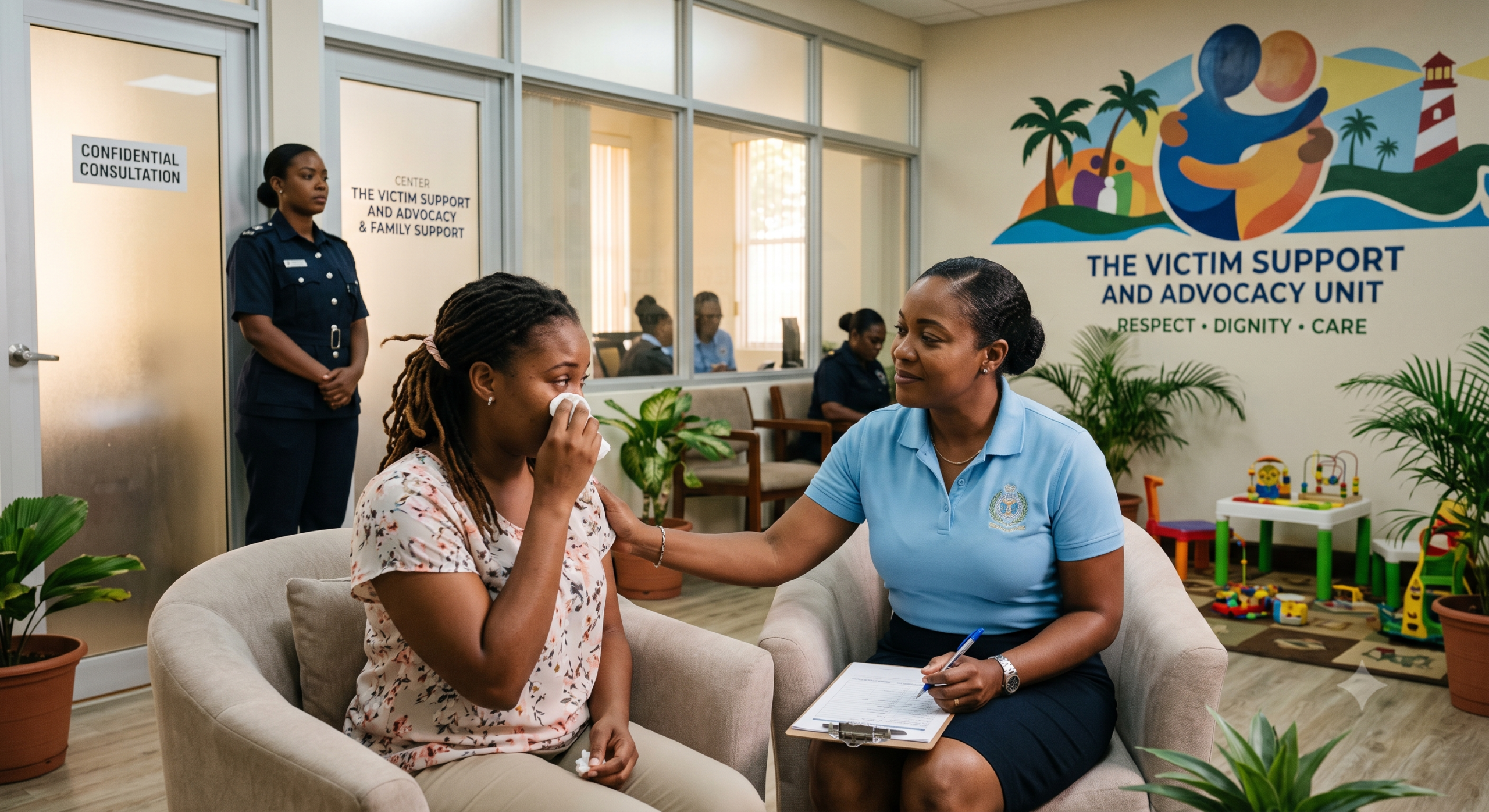
The Criminal Victimisation online professional course from the University of Essex Online provides an in-depth introduction to victimology and the evolving role of victims within the criminal justice system. Delivered over 13 weeks on a 100% online, part-time basis, the course examines the experiences of victims before, during and after the criminal justice process, while exploring contemporary theories of victimisation, gender-based violence, hate crime, radicalisation and human rights. Students develop critical analytical skills by evaluating criminal justice policies, victim support services and emerging challenges affecting victims in modern society. The course also serves as an excellent pathway into postgraduate criminology qualifications.
Entry Requirements
No formal academic qualifications or previous experience are required.
Applicants should have a good standard of English.
If English is not your first language, proficiency should be equivalent to IELTS Academic 6.5. Applicants without an IELTS score may complete the University's free English assessment
Who is this course for?
This course is ideal for:
Police officers and law enforcement professionals
Social workers and child protection officers
Victim support practitioners and advocates
Correctional and probation officers
Security and intelligence professionals
Legal professionals and paralegals
Government policy officers
NGO and human rights workers
Psychology and criminology graduates
Caribbean professionals seeking specialist knowledge in victim support, criminal justice reform, gender-based violence prevention and community safety.
Career Opportunities
Victim Support Officer
Criminal Justice Practitioner
Police Officer or Detective
Community Safety Officer
Probation Officer
Crime Prevention Specialist
Domestic Violence Advocate
Human Rights Officer
Criminal Intelligence Analyst
Policy and Research Officer in Criminal Justice
Programme Highlights
This module explores how victimology has developed into a major area of criminological study. Students examine theories explaining why people become victims of crime, methods for measuring victimisation, vulnerability, repeat victimisation and hate crime. The module also investigates the evolving role of victims throughout criminal investigations and prosecutions, helping students understand how justice systems increasingly recognise and protect victims' rights. This foundation is especially valuable for Caribbean criminal justice professionals seeking to strengthen victim-centred approaches.
Students critically evaluate the major theoretical perspectives that explain criminal victimisation, including lifestyle theory, routine activity theory and victim precipitation. The module encourages learners to analyse the social, economic and environmental factors that increase vulnerability to crime while considering evidence-based approaches to reducing victimisation. Graduates gain practical insights into crime prevention strategies that can be applied across policing, corrections and community development.
This module examines victimisation through a gendered lens, focusing on rape, domestic violence, homicide and sexual offending. Students explore feminist criminological theories, the experiences of female and male victims, and the societal factors that influence reporting, investigation and prosecution of gender-based crimes. The course develops a deeper understanding of equality, safeguarding and victim advocacy, making it highly relevant for professionals addressing gender-based violence throughout the Caribbean.
Students investigate how governments, criminal justice agencies and voluntary organisations provide services to victims of crime. Topics include the Victims' Code, repeat victimisation, criminal justice reforms, human rights legislation and multi-agency approaches to victim support. Learners assess how public policy influences victim outcomes and identify opportunities to improve service delivery through evidence-based practice and collaborative partnerships.
The final core area explores contemporary challenges affecting victims, including faith-related violence, radicalisation, extremism and evolving human rights protections. Students analyse how criminal justice systems respond to new forms of victimisation while balancing security, civil liberties and victim protection. This module prepares graduates to understand complex modern threats and develop informed responses within policing, policy development and community safety initiatives.
Related Courses
Crowded Places and Public Safety Management PGCert
Qualification: Postgraduate Certificate
Duration: 1 Year
Tuition: £3,480
View ProgrammeMaster in International Fashion Law in the Digital Age
Qualification: Master’s Degree (MSc / MA / MPH)
Duration: 1 year
Tuition: €2,500
View ProgrammeLLM International Business Law
Qualification: Master’s Degree (MSc / MA / MPH)
Duration: 24 months
Tuition: £13,427
View ProgrammeApply for This Programme
You need an UpCaria account before starting your application. Log in to your existing account or create a new one.
🎓 Scholarship Eligibility Checker
Select your country to check whether you may qualify for a scholarship for this programme.